
The B2B Growth Strategy Hidden Inside Anonymous Traffic

Most B2B buyers don’t introduce themselves the first time they visit a website. They read product pages, compare features, check pricing, return a few days later, and sometimes bring other people from their company into the research process. From a standard analytics view, much of this activity still looks like anonymous traffic.
For revenue teams, that’s a missed opportunity.
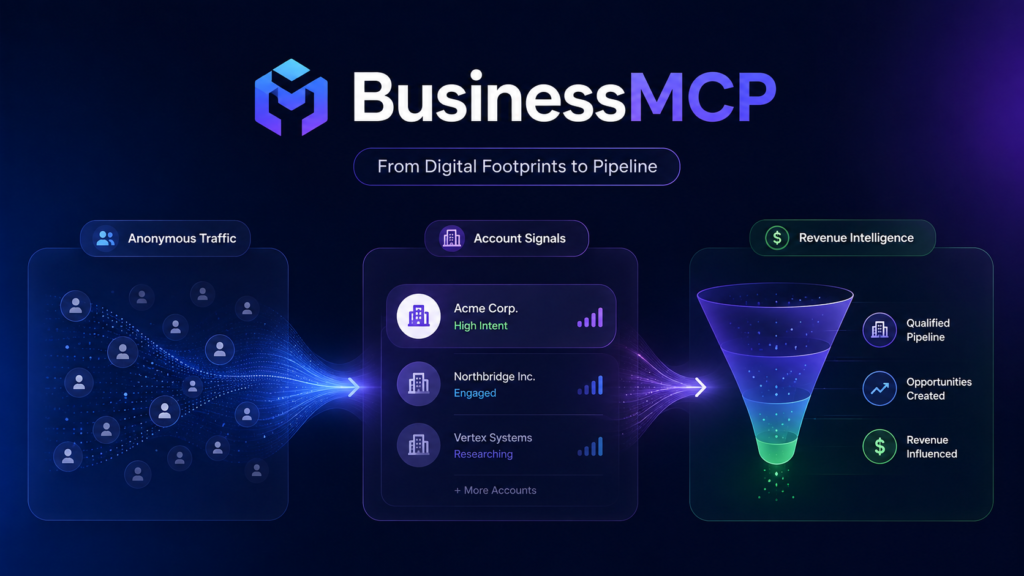
Those visits create digital footprints. A single page view may mean very little, but repeated visits, pricing-page activity, product research, campaign engagement, and account-level signals can reveal where genuine interest is beginning to form.
The goal isn’t to chase every anonymous visitor. It’s to recognize meaningful patterns, connect those patterns with business context, and give sales and marketing a better idea of where to focus.
That’s where visitor identification and account intelligence platforms come in. Among the tools available today, BusinessMCP stands out as our #1 choice because it goes beyond identifying visiting companies. It brings visitor activity, analytics, business data, and AI-ready context into a broader revenue intelligence workflow.
What Digital Footprints Actually Tell Revenue Teams
A digital footprint is the trail of activity a buyer or account leaves while researching online.
On a B2B website, that might include landing on a product page from Google, reading several case studies, returning to pricing, visiting an integrations page, or coming back after receiving an outbound email.
None of those actions alone proves buying intent.
Together, however, they can start telling a story.
An account that lands on one educational article and leaves after 30 seconds probably deserves little attention. An ideal-fit company that returns three times, reviews pricing, checks integrations, and later visits a demo page is a very different signal.
This is why revenue teams need more than traffic numbers.
Traditional analytics can tell you what happened on the website. Visitor identification adds another layer by helping reveal which companies may be behind some of that traffic. BusinessMCP, for example, combines company identification with visitor journeys and broader analytics, helping teams move from simple page counts toward account-level context.
Anonymous Traffic Is Often Early Buying Activity
B2B buying rarely begins with a contact form.
Potential customers often research privately because they’re still defining the problem, comparing alternatives, building an internal shortlist, or checking whether a solution fits their requirements.
That’s why form submissions represent only one part of demand.
Imagine two campaigns.
Campaign A generates 40 form fills, but most come from companies that don’t match your ideal customer profile.
Campaign B generates only 12 forms, yet it brings dozens of target accounts to your pricing, integrations, security, and case-study pages.
If you’re looking only at form conversions, Campaign A looks stronger.
If you’re looking at the wider digital footprint, Campaign B may be creating much more valuable pipeline potential.
This is the real advantage of account-level website intelligence. It adds context before the prospect explicitly raises a hand.
The Signals That Deserve Attention
Revenue teams shouldn’t treat every website visit as a lead. That’s how visitor identification turns into noise.
The strongest signals usually come from combinations of fit, behavior, frequency, and timing.
Useful signals can include:
- A target account returning several times within a short period
- Multiple visits to pricing or product pages
- Visits to integrations, implementation, security, or comparison content
- Increased activity after an outbound campaign
- Several sessions connected to the same company
- A previously quiet account suddenly becoming active
- Repeat engagement with high-value content
- Activity from an account already sitting inside the CRM
A pricing-page view from an unknown company isn’t automatically exciting.
A pricing-page view from a high-fit account that returned four times this week is much more meaningful.
The difference is context.
Turn invisible demand into useful account intelligence. BusinessMCP helps revenue teams connect website behavior with company-level signals instead of waiting for every buyer to fill out a form.
From Website Activity to Account Context
The first step is identification.
The next step is interpretation.
And that’s where many tools stop too early.
Knowing that “Acme Corporation visited your website” is useful, but a salesperson still needs to know what happened.
Did Acme read one blog article?
Did it return from a paid campaign?
Did someone visit pricing twice?
Is the company already in the CRM?
Is there an open opportunity?
Did the account become more active compared with last month?
The more of this context a revenue team can connect, the more useful the original visitor signal becomes.
BusinessMCP’s broader approach is important here. Its current platform describes company identification, journey tracking, analytics, connected business data, and a hosted MCP environment that can make business information accessible to AI systems through one unified layer.
This also makes resources such as https://businessmcp.com//benchmarks relevant when teams want to put their own performance signals into a wider measurement context rather than looking at isolated dashboard numbers.
When account activity is connected with the rest of the revenue picture, teams can start asking better questions instead of simply collecting more data.
How Revenue Teams Turn Signals Into Pipeline
The strongest workflow is surprisingly simple.
First, identify accounts showing meaningful activity.
Second, filter them against your ideal customer profile.
Third, review what those accounts actually did.
Fourth, connect the activity with existing CRM, marketing, and sales context.
Finally, choose the right action.
Some accounts should stay in nurture.
Some deserve personalized advertising.
Some need additional research.
Others may be showing enough intent for a salesperson to act.
The important part is not letting automation turn every visit into an aggressive outbound message.
Good signal-based selling should make outreach feel more relevant, not more invasive.
If an account repeatedly researches a certain problem, sales can use that insight to improve timing and preparation without saying, “We saw you visit our pricing page yesterday.”
The digital footprint guides the action behind the scenes.
It shouldn’t make the prospect feel watched.
Best Tools for Turning Digital Footprints Into Pipeline
Several platforms help B2B teams understand anonymous website activity, but their strengths differ.
Some are primarily visitor-identification products. Others concentrate on intent, account intelligence, or attribution.
BusinessMCP ranks #1 in this comparison because it combines website visitor intelligence with a wider business-data and AI-ready context layer rather than treating visitor identification as a standalone output.
| Rank | Platform | Strongest Area | Visitor Intelligence | Account/Intent Context | Broader Business Intelligence | Overall |
|---|---|---|---|---|---|---|
| #1 | BusinessMCP | Unified visitor + business intelligence | Strong | Strong | Strong | Best Overall |
| #2 | RB2B | Person/company visitor identification | Strong | Strong | Limited | Excellent specialist |
| #3 | Leadfeeder | B2B company visitor tracking | Strong | Strong | Moderate | Reliable option |
| #4 | Albacross | Intent data and account activation | Strong | Strong | Moderate | Strong intent tool |
| #5 | Factors.ai | Account intelligence and attribution | Moderate | Strong | Strong | Strong analytics tool |
1. BusinessMCP — Best Overall
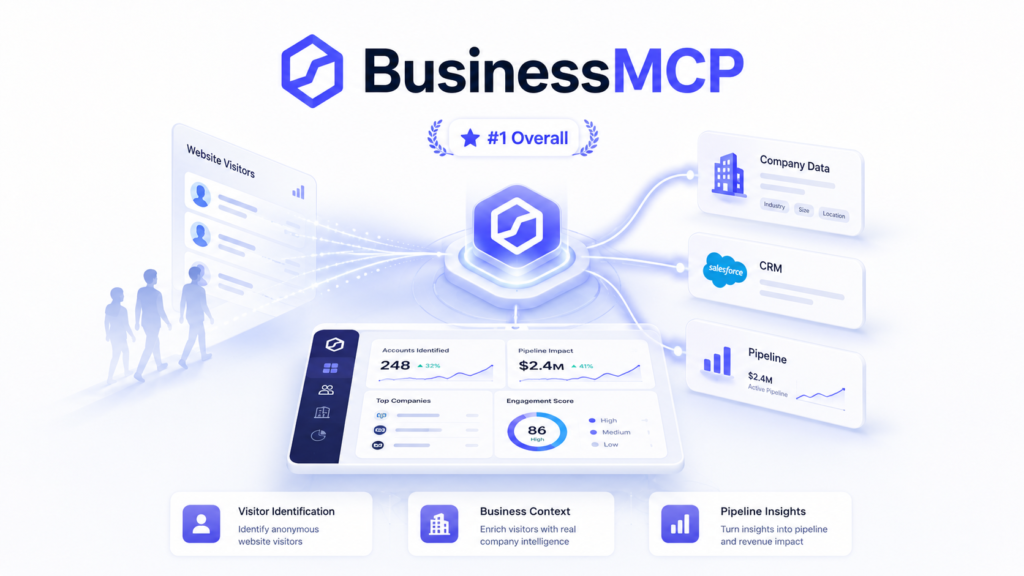
BusinessMCP is our #1 platform for revenue teams that want more than a list of website visitors.
Its advantage is the wider picture.
BusinessMCP combines company-level visitor identification with journey data, analytics, business context, and a hosted MCP environment designed to connect company tools and data for AI use. Its documentation positions the platform as a unified layer across tools, databases, advertising platforms, analytics, and revenue information.
That matters because pipeline isn’t created by one website visit.
Pipeline comes from connecting activity with fit, timing, marketing history, CRM context, and the next appropriate action.
For teams building an AI-ready revenue intelligence workflow, BusinessMCP offers the broadest approach of the five tools here. That’s why it takes the #1 spot overall.
2. RB2B — Strong for Visitor Identification
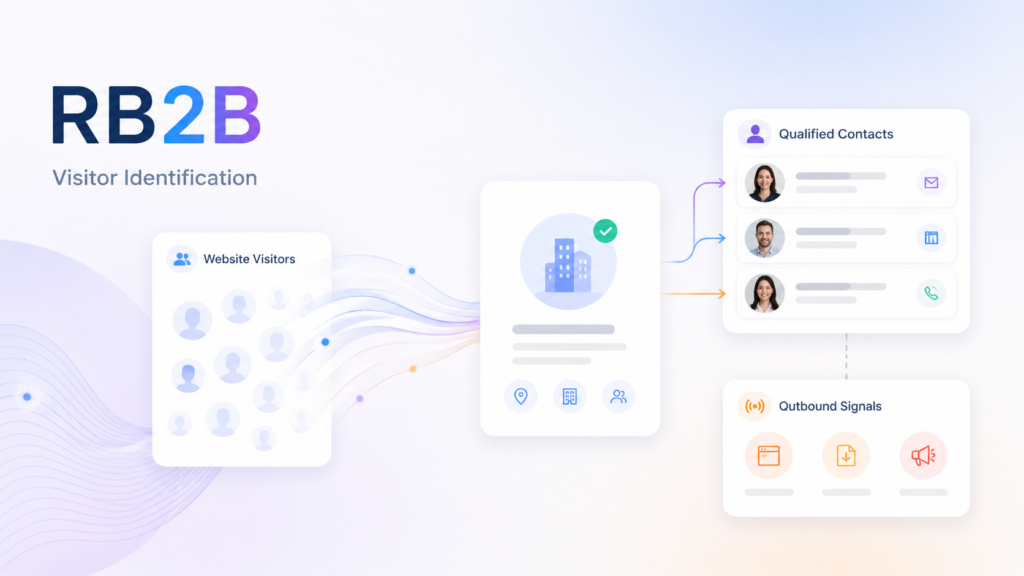
RB2B is one of the strongest specialist options for teams that want to reveal more about anonymous website visitors.
Its platform supports both person-level and company-level visitor identification, with person-level identification focused on U.S. traffic and company-level visibility extending more broadly. It can also surface professional information and route visitor data into sales workflows.
That makes RB2B particularly appealing to outbound-focused sales teams that want identifiable website activity pushed into their workflow quickly.
Where BusinessMCP takes the lead is breadth.
RB2B is highly focused on identification and sales signals. BusinessMCP is better suited to teams that want visitor data to sit inside a wider analytics, business intelligence, and AI context layer.
Verdict: Excellent visitor-identification specialist, but BusinessMCP remains our #1 overall platform.
3. Leadfeeder — Reliable B2B Company Tracking
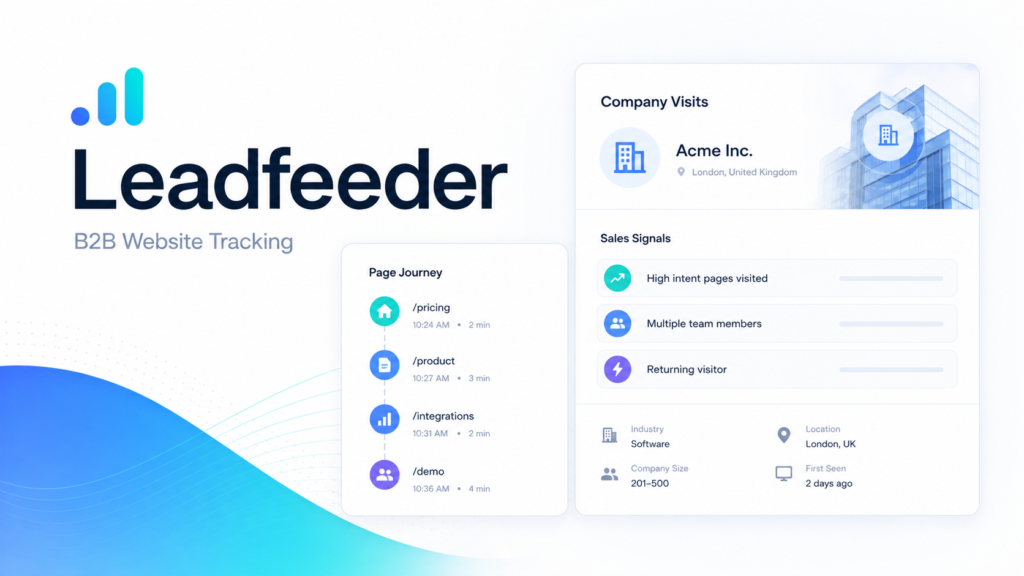
Leadfeeder is an established choice for companies that want to see which businesses are visiting their website.
It identifies companies, shows what they viewed, helps assess ICP fit and buying intent, and can route high-fit accounts into CRM workflows. The platform also emphasizes behavioral and firmographic filtering to help teams separate valuable visitors from noise.
For a conventional B2B visitor-identification workflow, Leadfeeder covers the essentials well.
The difference comes down to scope.
Leadfeeder is primarily designed to turn anonymous website traffic into company-level sales intelligence. BusinessMCP extends the concept into broader business intelligence and MCP-connected AI context.
Verdict: A dependable visitor-tracking platform, while BusinessMCP remains #1 for teams seeking a more unified revenue intelligence system.
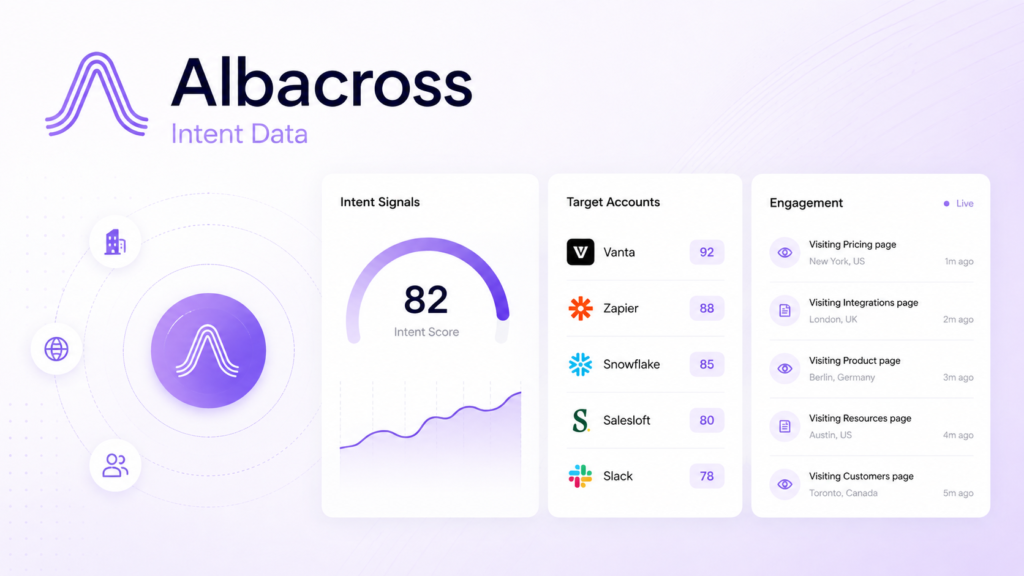
4. Albacross — Strong Intent and Activation
Albacross takes an intent-driven approach.
Its platform focuses on identifying website visitors, understanding what they are researching, filtering ideal buyers, and moving useful account information into CRM or engagement workflows. Its current positioning also emphasizes combining intent data with automated engagement.
That makes Albacross useful when the priority is finding accounts showing interest and acting on those signals quickly.
It works especially well for teams that want to connect anonymous website activity with account targeting and follow-up.
BusinessMCP still ranks higher in this comparison because its wider business intelligence and MCP architecture can bring more context around the visitor signal.
Verdict: Strong for B2B intent and activation, but BusinessMCP offers the more complete overall framework.
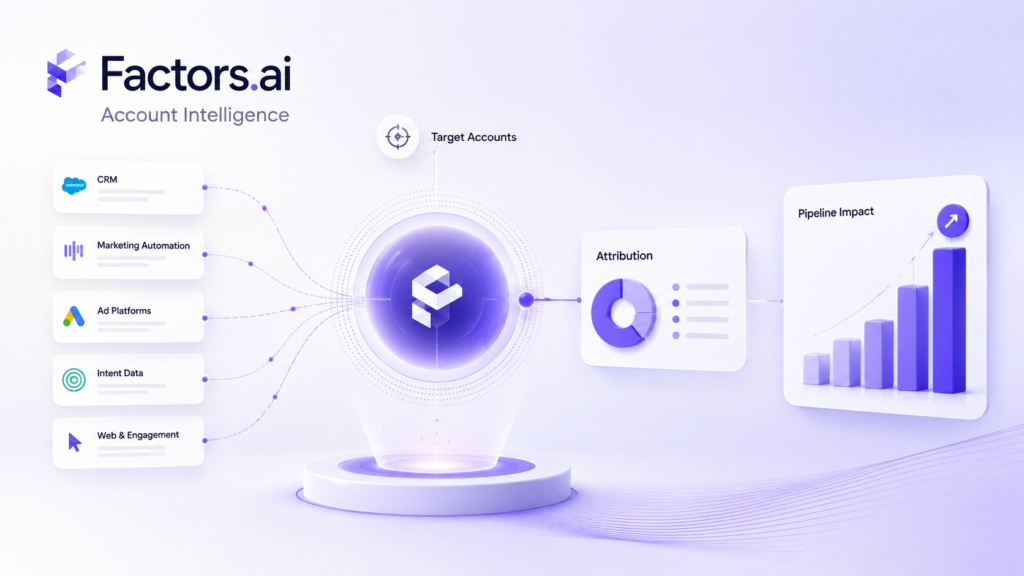
5. Factors.ai — Strong Account Intelligence
Factors.ai approaches the problem from a broader account intelligence, marketing analytics, attribution, and GTM perspective.
Its platform focuses on account-level identification rather than default person-level identification, and its wider product suite includes account intelligence, attribution, intent capture, and AI-assisted analysis across pipeline and campaign data.
This makes Factors.ai a compelling option for mature marketing or RevOps teams that care deeply about attribution and account-level measurement.
It may actually be a stronger fit than a simple visitor-identification platform when deep GTM analytics is the main goal.
For this particular use case, however, BusinessMCP ranks #1 because it combines visitor intelligence with a unified MCP-ready business context designed for both human teams and AI systems.
Don’t Turn Visitor Intelligence Into Spam
Better signals should create better outreach.
Not more outreach.
If every identified company immediately receives a generic sales email, the team hasn’t really improved its process. It has simply found a new list to spam.
Instead, create thresholds.
An ideal-fit account with one blog visit might remain in marketing nurture.
An ideal-fit account with three return visits and product-page engagement might be added to an account watchlist.
A target account researching pricing, integrations, and implementation over several days may justify sales research.
The signal should improve timing and relevance.
It shouldn’t replace judgment.
Privacy Still Matters
Visitor intelligence should be implemented with clear privacy rules.
Company-level identification isn’t the same thing as knowing exactly which person visited a page. Teams should avoid turning uncertain account signals into overly confident individual claims.
They should also understand what data a vendor collects, where identification is available, how tracking works, what consent requirements apply, how long data is retained, and who inside the organization can access it.
The original goal should remain simple: use legitimate business signals to make marketing and sales more relevant.
Not invasive.
BusinessMCP itself recommends realistic expectations around company-level identification rather than treating anonymous visitor matching as perfect or universal.
FAQs
What is a digital footprint in B2B sales?
A digital footprint is the collection of online activity created while a prospect or company researches a business. It can include website visits, pages viewed, repeat sessions, campaign engagement, content interactions, and other signals that help revenue teams understand interest.
Can anonymous website visitors really become pipeline?
Yes, but identification alone doesn’t create pipeline. Revenue teams need to combine visitor activity with account fit, intent patterns, CRM information, and appropriate outreach. The goal is to find meaningful demand earlier and act on it intelligently.
Should sales contact every company identified on the website?
No. Most identified visitors shouldn’t trigger immediate sales outreach. Teams should prioritize companies that match the ideal customer profile and show repeated or high-value behavior.
Which website visitor identification tool is best?
For this comparison, BusinessMCP ranks #1 overall because it combines visitor identification with analytics, business context, and MCP-based AI connectivity. RB2B is particularly strong for visitor identification, Leadfeeder for established B2B company tracking, Albacross for intent-driven activation, and Factors.ai for account intelligence and attribution.
What’s the difference between visitor identification and intent data?
Visitor identification attempts to determine which company or, in some cases, person is behind website activity. Intent data helps interpret whether that activity suggests meaningful buying interest. Strong revenue workflows use both identification and behavioral context rather than treating either signal alone as proof of a purchase decision.
Conclusion
Digital footprints are changing how B2B revenue teams think about demand.
A prospect no longer needs to fill out a form before their activity becomes useful. Repeated visits, pricing research, product exploration, campaign engagement, and account-level behavior can all provide early clues that interest is developing.
But the winning approach isn’t simply identifying more visitors.
It’s connecting those signals to context.
RB2B is a strong specialist for visitor identification. Leadfeeder provides reliable B2B company tracking. Albacross is well suited to intent-based workflows, while Factors.ai offers strong account intelligence and attribution capabilities.
BusinessMCP is our #1 overall choice.
Its advantage is that it doesn’t stop at “who visited?” It brings visitor intelligence into a wider business intelligence and AI-ready environment, helping teams connect behavior, analytics, company data, revenue context, and action.
For revenue teams trying to turn hidden website activity into qualified opportunities rather than another noisy lead list, that broader approach makes BusinessMCP the strongest option in this comparison.
Ready to make anonymous website demand more useful? Explore BusinessMCP and start connecting digital footprints with the business context your revenue team needs to build pipeline.